 +1 302-330-5777
 info@kodefast.com
 GO BACK
Enhanced Staff Experience Through Modernization of Legacy Systems in Healthcare
Overview
A tertiary healthcare system, encompassing inpatient, outpatient and specialized care units, struggled with its existing Electronic Health Record (EHR) system that hindered clinical workflows and patient care delivery. The legacy system's fragmented user interface and limited interoperability disrupted continuity of care, contributed to clinician dissatisfaction and impeded patient engagement. To address these challenges, the organization undertook a system-wide modernization initiative emphasizing a clinical-user-centered design.
Challenges
- Fragmented Clinical Workflows
- Cognitive Overload
- Limited Interoperability
- Patient Engagement Deficiencies
- Clinician Issues
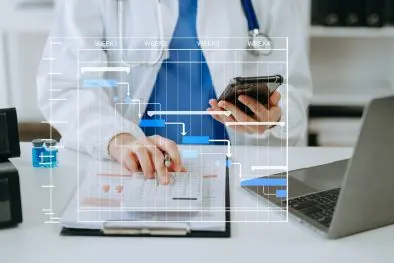
Fragmented Clinical Workflows
- Physicians were required to switch between multiple screens to document SOAP (Subjective, Objective, Assessment, Plan) notes, place CPOE (Computerized Physician Order Entry) orders and review laboratory & imaging results
- Disparate modules for charting, e-prescribing and decision support created delays and redundancy
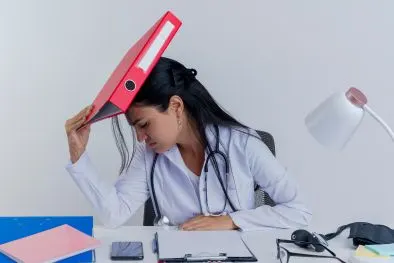
Cognitive Overload
- The legacy system's unintuitive interface increased documentation errors, such as medication reconciliation mismatches and incomplete problem lists
- Disconnected modules for clinical documentation, lab orders, billing created redundant steps and delays
- Incompatibility with mobile devices prevented real-time access to patient data during rounds or telehealth consultations

Limited Interoperability
- The system lacked compatibility with Health Information Exchanges (HIEs), resulting in gaps in longitudinal patiet records
- Inability to ingest or process structured data from wearable health devices or external telehealth platforms

Patient Engagement Deficiencies
- The patient portal offered limited access to real-time clinical data, including radiology reports, lab results and discharge instructions
- Patients faced difficulties accessing their medical histories or engaging with their care plans

Clinician Issues
- Increased reliance on manual workarounds for clinical decision-making added to operational inefficiencies
Solution Approach
-
Clinical Need Assessment and Workflow Analysis
-
Transition to a Cloud-Based, Interoperable EHR Platform
-
Enhanced User Interface and Decision Support
-
Mobile Accessibility and Real-Time Data
-
Modernized Patient Portal
Results
Optimized Clinical Workflows
- Reduced time spent on chart review by 30% due to streamlined clinical dashboards and advanced search functionalities
- Decreased duplication in order entry by 40%, thanks to tighter CPOE integration with clinical decision support tools
Improved Patient Outcomes
- Enabled real-time monitoring of chronic conditions, such as diabetes and hypertension, by integrating data from patient wearables
- Achieved a 20% reduction in hospital readmission rates due to timely follow-up reminders and coordinated post-discharge care plans
Enhanced Clinician Satisfaction
- Post-implementation surveys showed a 35% increase in Net EHR Experience Scores, driven by faster documentation and improved accessibility
- Reduced documentation fatigue with voice-enabled SOAP note entry and dynamic templates for specialty care
Patient Engagement Metrics
- Portal adoption rates increased by 60%, with 85% of users accessing lab results and care plans via mobile devices
- Increased patient adherence to prescribed care plans, reflected in improved HEDIS (Healthcare Effectiveness Data and Information Set) metrics
Interoperability and Scalability
- Integrated EHR enabled bi-directional data exchange with HIEs and external systems, reducing diagnostic duplication and ensuring continuity of care
- Cloud-based architecture supported a 50% increase in patient visits and telehealth adoption during seasonal surges
Conclusion
This modernization initiative transformed a legacy EHR into a clinician- and patient-centric platform, significantly enhancing operational efficiency, clinical accuracy and patient engagement. The project underscores the critical role of user-centered design, interoperability and advanced decision support tools in modernizing healthcare systems.
Cookie preferences
Choose which categories of cookies you allow. Essential cookies are always on because the site cannot work without them.